
By Aliyu Oyewole
The Minister of Power has said rural electrification in Nigeria should no longer be viewed solely as extending electricity infrastructure to underserved communities, but as a strategic tool for driving economic growth, supporting businesses and creating jobs.
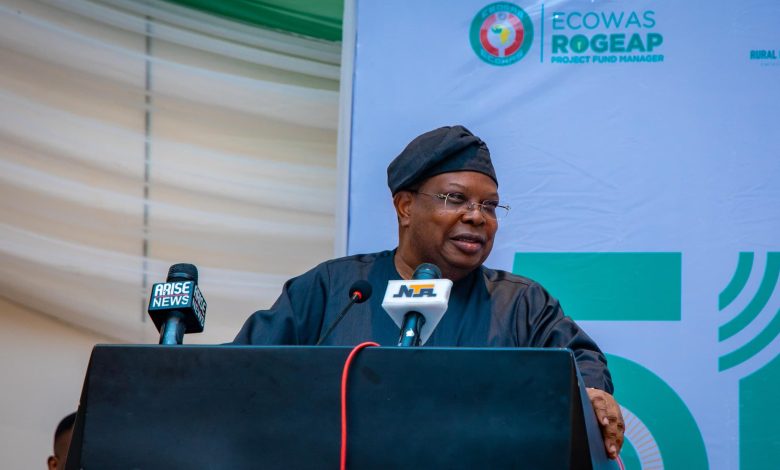
The minister made the remarks while delivering the keynote address at the Stakeholder Engagement Workshop on Productive Use of Energy (PUE), where government officials, development partners and industry stakeholders discussed ways to maximise the economic impact of electricity access in rural communities.
According to the minister, the true measure of success in rural electrification should not be limited to the number of megawatts generated or households connected to the national grid.
Instead, he stressed that electricity becomes truly transformative when it enables productive economic activities, allowing farmers to irrigate larger farmland, agro-processors to increase production, and small businesses to expand operations.
Minister advocates productive use of energy for rural development
The minister described the Productive Use of Energy (PUE) initiative as a key strategy for unlocking rural economic potential by linking electricity access with agriculture, manufacturing and enterprise development.
He explained that reliable electricity could help rice millers process more harvests, cold-room operators preserve fish, fruits and vegetables, and rural entrepreneurs improve productivity while reducing operational costs.
According to him, the approach places energy at the centre of sustainable rural development rather than treating electricity access as an end in itself.
Electricity should power businesses, agriculture and jobs
The minister noted that productive use of energy cuts across several sectors, including agriculture, industrialisation, financial inclusion, food security and employment generation.
He said the initiative presents clear economic benefits by lowering production costs for farmers and businesses, creating bankable investment opportunities for financial institutions, expanding markets for manufacturers and increasing government revenue through enhanced economic activities.
The workshop also highlighted the importance of partnerships between government agencies, private sector players and development organisations in expanding access to clean and reliable energy solutions across rural Nigeria.
REA, ECOWAS and stakeholders strengthen partnership
The minister expressed appreciation to the Rural Electrification Agency (REA), led by Managing Director Abba Aliyu, the Federal Ministry of Agriculture and Food Security, and the ECOWAS Commission for supporting the initiative.
He described the engagement as the beginning of a broader collaboration aimed at accelerating rural economic transformation through sustainable energy solutions.
The minister expressed optimism that continued stakeholder engagement would help position electricity as a catalyst for enterprise development, increased agricultural productivity and inclusive economic growth across Nigeria.