Donald Duke Mocks Pro Tinubu Opposition Parties, Recalls Abacha’s ‘Five Leprous Fingers

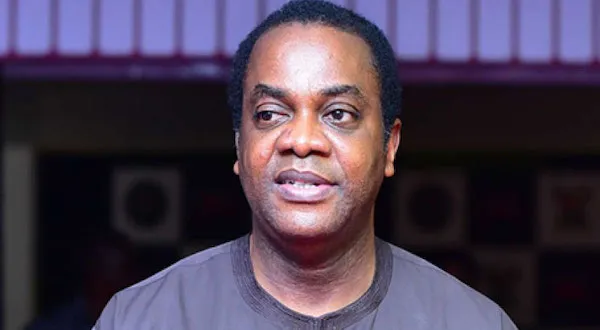
Former Cross River State Governor and Peoples Redemption Party (PRP) presidential candidate, Donald Duke, has taken a swipe at opposition parties supporting President Bola Tinubu’s second term ambition, comparing them to political parties that backed the late military ruler, General Sani Abacha, in the 1990s.
Duke made the remarks during an interview on ARISE News on Thursday, expressing concern over the decision of some opposition parties to support Tinubu ahead of the 2027 presidential election despite their political differences.
To drive home his point, the former governor recalled the controversial expression “five leprous fingers,” which was used to criticise the five political parties registered under Abacha’s transition programme.
“You know the five leprous fingers? Yes. So you now have four leprous fingers because one of the fingers has dropped off,” Duke said.
The expression was coined by the late former Oyo State Governor, Bola Ige, to condemn the political parties established during Abacha’s military rule.
The parties were the United Nigeria Congress Party, National Centre Party of Nigeria, Grassroots Democratic Movement, Democratic Party of Nigeria and Committee for National Consensus.
In 1998, the five parties adopted Abacha as their sole presidential candidate, a decision that attracted widespread criticism amid concerns that the military ruler was seeking to remain in power through a transition programme.
However, Abacha died on June 8, 1998, before the process was completed. His successor, General Abdulsalami Abubakar, later dissolved the parties and introduced a fresh transition programme that led to Nigeria’s return to civilian democratic rule in 1999.
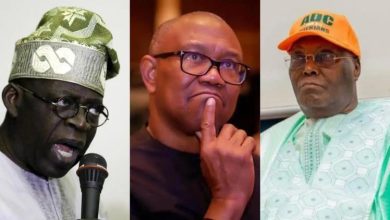
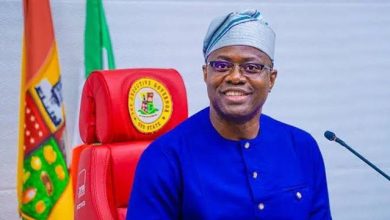
Duke’s comments come as political alignments continue to take shape ahead of the 2027 general elections, with opposition parties and political figures divided over how to challenge Tinubu’s re election bid.
His comparison has brought renewed attention to disagreements within the opposition, particularly over the decision by some political parties and figures to support the incumbent president ahead of the next presidential election.