
Just In:FG Moves to Build Eastern, Western Grids to Tackle Frequent Power Collapses

The Federal Government has approved plans to construct new eastern and western electricity grids as part of efforts to tackle Nigeria’s recurring national grid collapses and improve electricity supply across the country.
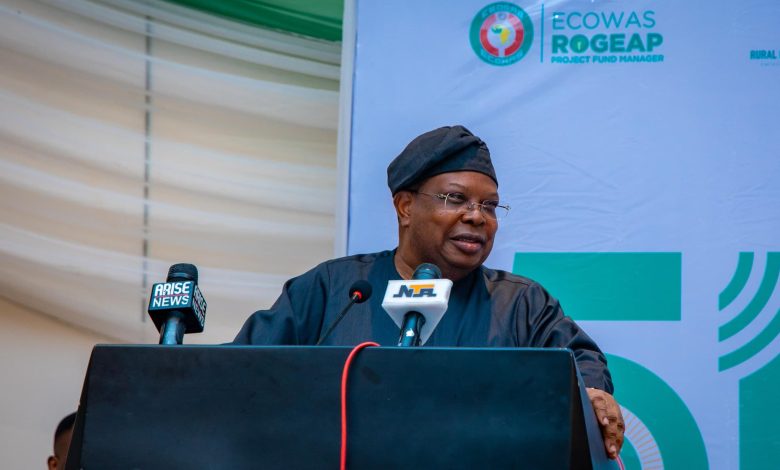
The Minister of Power, Joseph Tegbe, disclosed this at a recent energy conference in Lagos, explaining that the initiative would strengthen the country’s transmission infrastructure and address longstanding weaknesses responsible for disruptions in electricity distribution.
Tegbe said the government was preparing to commence the procurement process for the projects, adding that Nigerians could begin to experience the benefits within two to three years.
According to him, the administration has also commenced a nationwide technical audit of electricity infrastructure to identify faults, assess the condition of existing facilities and determine areas requiring urgent intervention.
The minister explained that the government had divided the country into three energy zones, noting that addressing challenges along the Lagos and Abuja transmission corridors could resolve a significant proportion of the country’s electricity problems because of their importance to national power demand.
He said the technical assessment would help the government identify specific infrastructure problems and ensure that resources were directed towards the actual causes of failures rather than spending money on equipment that did not require immediate attention.
Tegbe attributed some of the challenges confronting the electricity transmission network to ageing infrastructure, noting that certain transmission towers and lines had been in existence for decades. He maintained that the proposed grid expansion, alongside targeted repairs and upgrades, would help strengthen the network and improve its resilience.
The minister expressed optimism that the planned projects would contribute to a more reliable electricity system, although their impact would depend on effective implementation, adequate funding and the timely completion of the necessary infrastructure.