
By Aliyu Oyewole
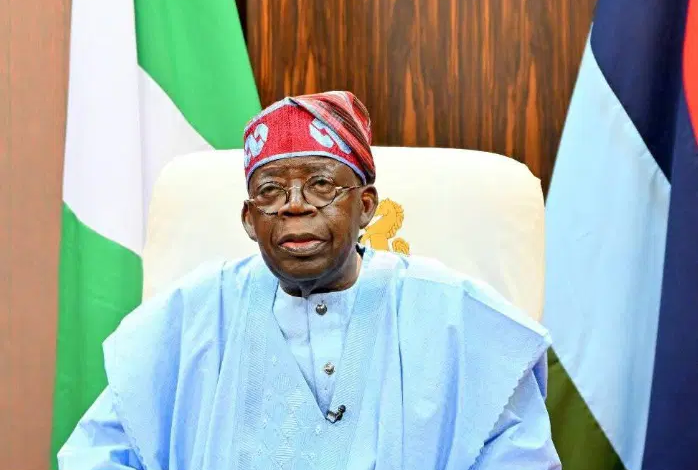
President Bola Tinubu has said reducing the cost of living is now the top priority of his administration, with the Federal Government planning measures aimed at lowering the cost of producing and transporting goods across the country.
Tinubu stated this on Thursday in his Independence Day address to Nigerians as the country marked its 66th anniversary. He said the government’s next phase of economic policy would focus on translating recent economic reforms into broader prosperity for citizens.
According to the President, the strategy would include expanding mechanised irrigation and dry-season farming, improving access to seeds and fertiliser, increasing agricultural mechanisation, and investing in storage and transportation infrastructure.
He said the government was also working to improve the movement of goods by developing roads, railways and ports that would connect farms and factories to markets. Tinubu argued that reducing production and distribution costs would eventually help bring down the prices of goods available to consumers.
The President also defended his administration’s economic reforms, saying they were introduced to address longstanding structural problems in the Nigerian economy. He acknowledged that the measures had caused hardship but maintained that abandoning the reforms would undermine efforts to correct the country’s economic challenges.
Tinubu cited what he described as recent improvements in the economy, including growth of more than four per cent in 2026, declining oil theft, lower inflation from its peak, rebuilt foreign reserves and greater stability in the foreign exchange market. He also said Nigeria recorded more than $6bn in non-oil export revenue in 2025.
Beyond reducing prices, the President said his administration would prioritise job creation, enterprise and industrial growth, particularly as millions of young Nigerians enter the workforce. He said the government would leverage gas resources to support industries, assist businesses seeking to revive factories, expand digital connectivity and invest in skills required by employers.
Tinubu, however, acknowledged that many Nigerians were still struggling with food, school fees, healthcare and transportation costs. He said the government would strengthen support for vulnerable households, improve the National Social Register and continue working with state and local governments to improve basic healthcare, education and other essential services.