
Naira maintains N1,765/£1 band against British Pound amid increased FX supply

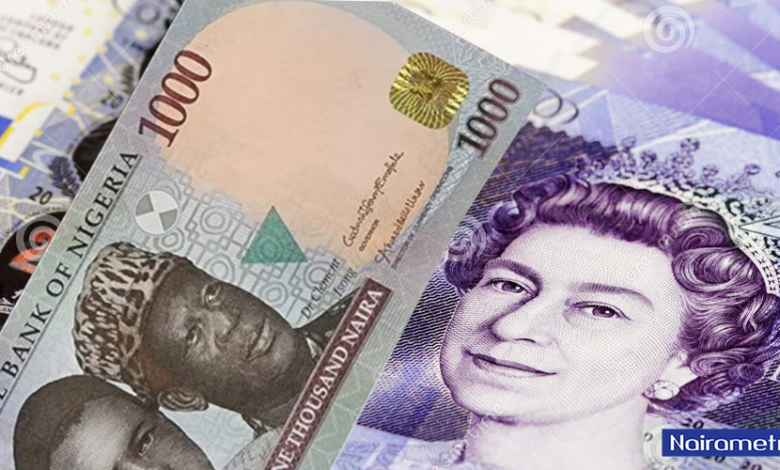
The naira has remained relatively stable against the British pound, with the latest Central Bank of Nigeria (CBN) data showing a settlement rate of about ₦1,765 to £1.
The stability comes amid reports that Nigeria’s gross foreign exchange reserves have climbed to $55.1 billion, their highest level in 18 years, raising attention on the country’s ability to meet foreign currency demand and manage pressure on the naira.
Nigeria’s exchange rate is influenced by several factors, including foreign exchange inflows, oil export earnings, foreign investment and the supply of dollars and other currencies in the official market.
The CBN can also intervene in the foreign exchange market to manage excessive volatility. Changes to Nigeria’s foreign exchange framework have sought to make official rates more responsive to market demand and supply, while reducing the gap between official and parallel market rates.
However, the reported rise in gross reserves does not mean the entire amount is freely available for intervention. Net reserves, which account for certain foreign currency liabilities and commitments, provide another measure of the country’s external position.
Market indicators cited in the report suggest the naira to pound exchange rate has moved down from levels close to ₦1,948 earlier in the year towards the ₦1,750 range. Technical indicators, including the Relative Strength Index, point to relatively balanced buying and selling pressure, although such measures do not guarantee future movements.
The pound’s performance against the naira is also influenced by developments in the United Kingdom. Expectations about Bank of England interest rate decisions and changes in UK economic growth can affect demand for sterling against emerging market currencies.
Nigeria’s oil sector remains an important source of foreign exchange. Higher crude oil prices and stronger domestic production can support foreign currency inflows, while weaker prices or lower production may put pressure on supply.
For Nigerians and businesses that make payments in pounds, exchange rate movements remain important because they affect the cost of tuition, travel, imports and other expenses linked to the UK.