
By Aliyu Oyewole
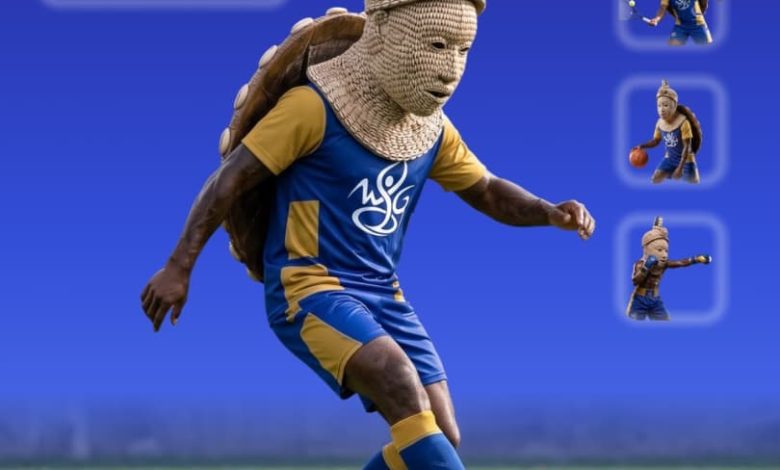
Obafemi Awolowo University (OAU), Ile-Ife, has officially unveiled Orí Olókun as the mascot for the 15th edition of the West African University Games (WAUG) 2026, marking a major milestone in preparations to host one of the region’s largest university sporting events.
The mascot was unveiled on August 4 as the university intensifies preparations for the competition, scheduled to hold from October 2 to October 12, 2026, in Ile-Ife, Osun State.
WAUG is a multi-sport championship organised by the West African University Sports Federation (WAUSF). Established in 1965 at the University of Ibadan, the tournament brings together student-athletes from universities across West Africa to promote regional integration, cultural exchange, and sporting excellence. The competition now features participants from universities in more than 14 African countries.
Cultural significance of Orí Olókun
The name Orí Olókun, which translates to “The Head of Olókun” in the Yoruba language, is deeply connected to the history and cultural heritage of Ile-Ife.
It refers to the renowned 14th-century bronze and terracotta sculpture excavated in 1910 at the Olókun Grove in Ile-Ife. The iconic artwork is celebrated for its detailed craftsmanship and distinctive vertical facial scarifications, believed to represent the beaded veils traditionally worn by Yoruba monarchs to symbolize their sacred authority.
Why OAU chose Orí Olókun
Speaking with correspondents of the Association of Campus Journalists, OAU (ACJOAU), the Director of Sports of the Great Ife Students’ Union, Oginni Ayotomiwa, explained that the university opened a public call for mascot and logo submissions, receiving about 16 entries.
According to him, three finalists were shortlisted before the Local Organising Committee selected Orí Olókun over two other concepts—a bat and a tortoise.
“The three were presented to the Local Organising Committee, where Orí Olókun was selected ahead of the other two, which were a bat and a tortoise, because they did not really depict athleticism,” he said.
Ayotomiwa added that a sporting event’s mascot should reflect the cultural identity of its host community.
“A mascot for any competition has to be rooted in the tradition of that community. For example, NAUG in Calabar also unveiled a mascot. For every sporting competition, unveiling a mascot officially kickstarts the journey to the event,” he explained.
He noted that OAU has continued upgrading its sporting facilities in preparation for the games, expressing confidence in the institution’s readiness to host the regional tournament.
Funding remains a key challenge
Despite the progress made, Ayotomiwa identified funding as the biggest challenge facing preparations for WAUG 2026.
He said the university management and the Local Organising Committee are actively seeking sponsorship to ensure the successful hosting of the competition.
“The management and the Local Organising Committee, which I am part of, have all hands on deck to secure sponsors for this competition,” he said.
As preparations gather momentum, WAUG 2026 is expected to attract thousands of student-athletes, officials, and spectators from across West Africa, providing a platform to celebrate sporting excellence, cultural heritage, and regional unity.