
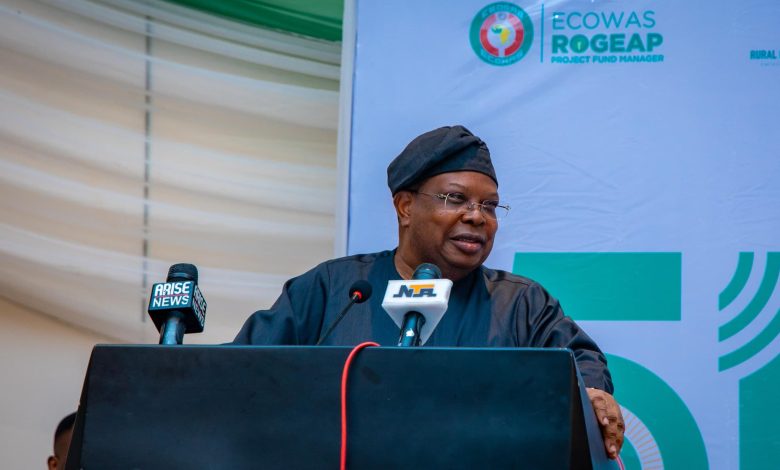
The Federal Government has paid ₦1.2 trillion out of the ₦2.3 trillion debt owed to operators in Nigeria’s power sector, Minister of Power Joseph Tegbe has said.
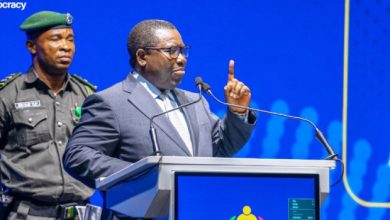
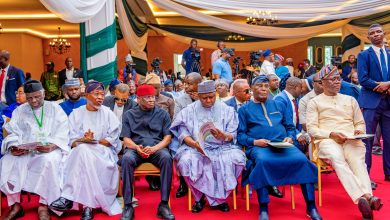
Tegbe disclosed this on Wednesday while briefing journalists after the Federal Executive Council (FEC) meeting presided over by President Bola Tinubu at the Presidential Villa in Abuja.
According to the minister, the payment forms part of efforts to address liquidity challenges in the electricity industry, particularly those affecting gas supplies to power generation companies (GenCos).
He said the government was also working to stabilise the national grid, expand transmission capacity and improve electricity delivery to consumers.
As part of the measures, Tegbe disclosed that the Ministry of Power had commenced a nationwide technical audit of electricity infrastructure to identify ageing facilities and determine those requiring urgent repairs and upgrades.
The minister said Nigeria had been divided into three energy zones to guide targeted interventions. He noted that Lagos and its environs account for about 50 per cent of the country’s electricity demand, while other areas, including Abuja and Kano, require improvements in transmission infrastructure and power supply.
Tegbe further revealed that the government planned to increase transmission capacity from approximately 5,000 megawatts to more than 19,000 megawatts to accommodate Nigeria’s generation capacity, which he estimated at over 13,000 megawatts.
The minister said the government’s efforts were aimed at addressing infrastructure gaps and improving the capacity of the national grid to deliver electricity more effectively.
The debt repayment is part of broader efforts to address longstanding financial obligations in the electricity industry, where outstanding payments have placed pressure on power generation and gas supply.
However, the impact of the payments and planned infrastructure upgrades on electricity supply will depend on their implementation and the sector’s ability to sustain adequate funding across the power value chain.